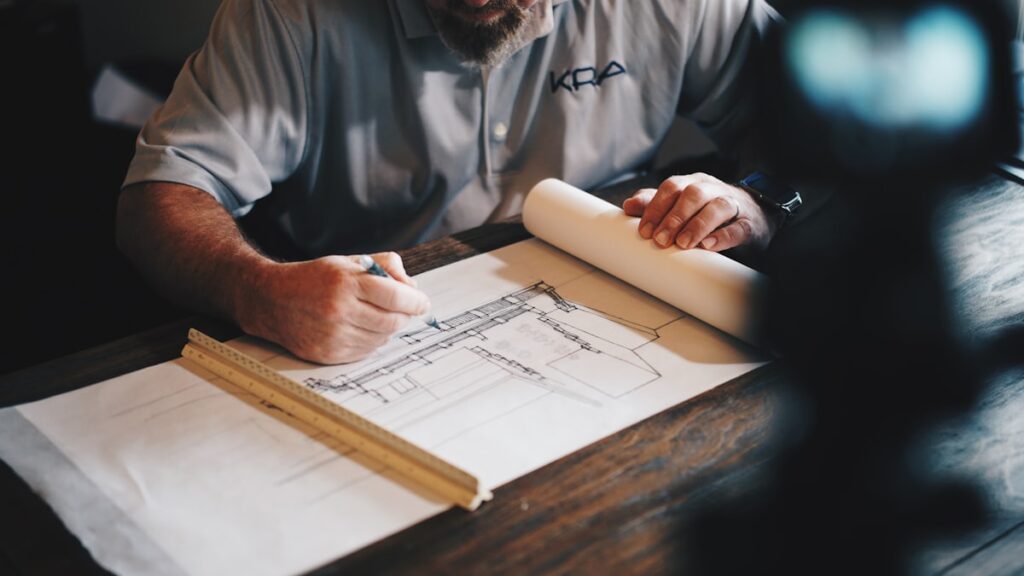
In the ever-evolving landscape of UK housing, loft conversions remain a popular choice for homeowners seeking to increase their living space without the hassle and expense of moving. As we look towards 2026, understanding the costs associated with loft conversions is crucial for developers, builders, and homeowners alike. This comprehensive guide will delve into the projected costs for different types of loft conversions, offering you a detailed breakdown by type and highlighting specific UK cost ranges.
Understanding Loft Conversion Costs in 2026
The costs of loft conversions in the UK are influenced by various factors including location, the type of conversion, and the materials used. As of 2026, loft conversion costs are expected to range between £30,000 and £70,000, depending on the complexity and specifications of the project. It’s important to consider these factors alongside regional variations, as prices in London and the South East are typically higher due to increased demand and living costs.
Factors Influencing Loft Conversion Costs
- Location: Prices vary significantly across different regions in the UK.
- Type of Conversion: Dormer, Mansard, Hip to Gable, and Roof Light conversions vary in complexity and cost.
- Structural Changes: Extensive structural modifications will increase costs.
- Materials: High-end materials will push up the overall budget.
- Professional Fees: Costs for architects, surveyors, and building regulation approvals.
Dormer Loft Conversion Costs
A Dormer loft conversion is one of the most common types, adding a vertical extension to the existing roof, which increases headspace and floor area. In 2026, the cost for a Dormer loft conversion is projected to range from £35,000 to £50,000.
Cost Breakdown for Dormer Loft Conversion
| Item | Estimated Cost |
|---|---|
| Structural Work | £15,000 – £20,000 |
| Windows and Insulation | £5,000 – £8,000 |
| Internal Finishes | £10,000 – £15,000 |
| Professional Fees | £5,000 – £7,000 |
Practical Scenario: Dormer in Manchester
Consider a semi-detached house in Manchester seeking a Dormer conversion. The homeowner opts for mid-range materials and requires minimal structural changes. The project is completed within a budget of £42,000, demonstrating the realistic affordability of such a conversion outside of the London area.
Mansard Loft Conversion Costs
Mansard loft conversions are more complex, involving the alteration of the entire roof structure to create a flat roof with a back wall sloping inward. This type is ideal for maximizing space but comes with a higher cost, ranging from £50,000 to £70,000 in 2026.
Cost Breakdown for Mansard Loft Conversion
- Structural Alterations: £25,000 – £35,000
- Windows and Roofing: £10,000 – £15,000
- Internal Finishes: £10,000 – £12,000
- Professional Fees: £5,000 – £8,000
Real World Example: Mansard in London
A terraced house in South London undergoes a Mansard conversion, requiring significant structural work. The project, using high-quality materials and finishes, comes to a total cost of £68,000, reflecting the premium associated with both the location and the conversion type.
Hip to Gable Loft Conversion Costs
Hip to Gable conversions involve extending the sloping side of your roof (the ‘hip’) to create a vertical wall (the ‘gable’), thus increasing the loft space. In 2026, these conversions cost between £40,000 and £55,000.
Cost Breakdown for Hip to Gable Loft Conversion
- Structural Work: £20,000 – £25,000
- Windows and External Work: £5,000 – £10,000
- Internal Finishes: £10,000 – £15,000
- Professional Fees: £5,000 – £6,000
Scenario: Hip to Gable in Birmingham
In Birmingham, a homeowner chooses a Hip to Gable conversion to expand their loft space. After selecting standard finishes and conducting minor external work, the project is completed for £47,000, showcasing the balance between cost and added value outside the capital.
Roof Light Loft Conversion Costs
Roof Light conversions, also known as Velux conversions, are the most cost-effective option as they require minimal structural alterations. As of 2026, these can range from £30,000 to £40,000.
Cost Breakdown for Roof Light Loft Conversion
- Velux Windows Installation: £3,000 – £5,000
- Insulation and Plastering: £5,000 – £7,000
- Internal Finishes: £10,000 – £12,000
- Professional Fees: £3,000 – £5,000
Example: Roof Light in Edinburgh
An Edinburgh property owner opts for a Roof Light conversion, focusing on maximizing light and space without major structural changes. The straightforward nature of the project keeps the cost to £35,000, making it an appealing option for budget-conscious homeowners.
What Does a Loft Conversion Cost Per Square Metre?
Looking at loft conversions in terms of cost per m² gives a clearer picture for comparison with other forms of development. In 2026, loft conversion costs in the UK typically range from £1,500 to £2,200 per m² of new usable floor area created, depending on conversion type and specification.
A standard Velux or roof light conversion creating 20m² of bedroom space sits at the lower end — around £1,500/m². A full dormer adding 28m² with en-suite comes in at £1,700 to £1,900/m². A Mansard conversion in London, with significant structural alteration and premium finishes, can reach £2,200/m² or more.
This cost-per-m² metric is useful when comparing loft conversion against a ground floor extension or a side-return. In most cases, a loft conversion delivers usable floor area at a lower cost per m² than a single-storey extension — and with no loss of garden space.
Do Loft Conversions Add Value?
The return on investment from a loft conversion is generally strong, particularly in higher-value areas. Adding a bedroom and bathroom to a three-bedroom property in London or the South East routinely adds £50,000 to £80,000 in market value — on a project costing £45,000 to £60,000. That’s a healthy net uplift of £20,000 to £35,000.
In the Midlands and North, uplift values are lower but the project costs are also significantly lower. A dormer loft conversion in Leeds at £40,000 adding a fourth bedroom to a property worth £280,000 can increase the sale price to £305,000 to £315,000 — a similar proportional return.
Roof light conversions offer the best headline return because they’re the cheapest to build. However, a Velux loft room without a staircase and en-suite adds less value than a properly fitted bedroom with bathroom. The higher spend on a dormer typically generates more incremental value than the saving on a Velux-only conversion.
Planning Permission and Building Regulations
Most loft conversions in England fall within permitted development rights, meaning planning permission is not required. The key conditions are:
- The additional volume must not exceed 40m³ for terraced houses or 50m³ for detached and semi-detached houses.
- No extension should be higher than the existing roof ridge.
- Materials should be similar in appearance to the existing house.
- No verandas, balconies, or raised platforms.
- Side-facing windows must be obscure-glazed and non-opening below 1.7m.
Even if planning permission is not required, Building Regulations approval is always required for a loft conversion. This covers structural stability, fire safety (including fire doors and mains-wired smoke alarms), insulation standards, and staircase design. Expect to pay £400 to £900 for building regulation approval and inspections.
The Role of a Quantity Surveyor in Your Construction Project
Whether you are building a new house, planning a single-storey extension, converting your loft, or undertaking a major commercial development, the role of a quantity surveyor (QS) is fundamental to keeping your project on track and within budget. Many homeowners and novice developers view a QS as an optional extra, but professional cost management consistently saves more money than it costs. A quantity surveyor brings commercial expertise to the construction process, ensuring you pay the right price for the right work.
In the UK, construction contracts can be complex, and pricing structures vary wildly between different builders. A QS bridges this gap by translating architectural drawings into a comprehensive Bill of Quantities (BOQ) or schedule of works. This means that when contractors price the job, they are all quoting for exactly the same scope of materials, labour, and preliminary items. Without this baseline, comparing quotes is like comparing apples and oranges, leaving you exposed to hidden costs and expensive variations later in the project.
Pre-Contract Services: Getting the Numbers Right
The earliest involvement of a QS typically involves producing a feasibility cost plan. Before you spend thousands of pounds on detailed architectural designs and planning applications, a high-level cost estimate can confirm whether your ambitions align with your budget. As the design develops, this cost plan becomes more detailed, ultimately forming the pre-tender estimate.
Once the design is finalised, the QS will manage the tender process. They will invite suitable contractors, issue the pricing documents, answer technical queries during the tender period, and critically evaluate the returns. The resulting tender report will highlight any discrepancies, abnormally low rates (which often signal an error or a corner about to be cut), and recommend the best contractor for the job.
Post-Contract Services: Protecting Your Investment on Site
Once construction begins, the role of the QS shifts to cost control. Contractors typically submit monthly applications for payment based on the work completed to date. A QS will visit the site, measure the progress, and certify the correct valuation. This protects you from overpaying the contractor — a critical safeguard if the builder were to unfortunately cease trading mid-project.
Furthermore, construction projects rarely proceed without changes. Unforeseen ground conditions, design alterations, or client upgrades generate “variations” to the contract. A QS will value these variations using the agreed contract rates, negotiating with the builder to ensure you are charged a fair and transparent price for the extra work, while also challenging any unjustified claims for additional time or money.
Navigating UK Building Regulations and Planning Permission
Beyond cost control, understanding the regulatory landscape is vital. Any significant building work in the UK must comply with Building Regulations, which set the standard for structural integrity, fire safety, energy efficiency, and accessibility. Obtaining Building Regulations approval is a separate process from Planning Permission.
While Planning Permission is concerned with how a building looks, its size, and its impact on the local environment and neighbours, Building Regulations focus on how the building is constructed. Many projects, such as certain loft conversions or small extensions, may fall under ‘Permitted Development’ rights, meaning formal planning permission is not required. However, they must still fully comply with Building Regulations.
Non-compliance can lead to severe consequences, including enforcement notices requiring you to tear down the work, and complications when attempting to sell the property. Professional cost planning ensures that the budget accounts for all necessary compliance measures, from acoustic testing and structural engineering calculations to upgraded insulation and fire doors.
Understanding Construction Contracts
A handshake is not a contract. A critical mistake made in the residential and SME construction sector is proceeding with significant building work without a formal, written contract in place. A robust contract, such as those published by the Joint Contracts Tribunal (JCT), protects both the employer (you) and the contractor.
The contract sets out the obligations of both parties, the payment schedule, the dispute resolution process, and the mechanisms for dealing with delays and variations. It also details the insurance requirements, ensuring the contractor holds adequate public liability and employer’s liability cover before setting foot on site.
As part of their service, a QS will advise on the most appropriate form of contract for your project size and complexity, compile the contract documents, and administer the contract terms throughout the build. This formal structure reduces friction, manages expectations, and provides a clear framework for successfully delivering the project.
Frequently Asked Questions: Loft Conversion Costs UK 2026
What is the cheapest type of loft conversion in the UK?
A Velux or roof light conversion is the most affordable option, typically costing £30,000 to £40,000. No structural alterations to the roof are required — just strengthened floor joists, Velux windows, insulation, a staircase, and internal finishes.
How long does a loft conversion take?
A Velux conversion typically takes 4 to 6 weeks. A dormer takes 6 to 10 weeks. A full Mansard conversion can take 10 to 14 weeks due to the extent of structural roof work involved.
Do I need a structural engineer for a loft conversion?
Yes. A structural engineer’s calculations are required for building regulations approval on virtually all loft conversions. They will specify the floor joist strengthening required and design any steelwork for dormer or Mansard conversions. Engineer fees typically run £500 to £1,500 for a standard residential conversion.
Is my loft suitable for conversion?
A loft is generally considered suitable if it has a minimum ridge height of 2.2 metres and a pitch of at least 30 degrees. A surveyor can carry out a feasibility assessment. Properties with a trussed rafter roof (common in post-1960s builds) can still be converted but require more structural work than a cut roof, adding cost.
Get a Fixed-Price Quote from RapidQS
Get a fixed-price quote from RapidQS in 60 minutes. Call +44 7438 628277 or upload your plans at rapidqs.co.uk. We produce detailed loft conversion cost plans and bills of quantities across the UK, giving you real numbers before you commit to anything.