
Heritage renovation in Scotland is one of the most complex and rewarding construction challenges in the industry. Scotland has more listed buildings per head of population than anywhere else in the UK — over 47,000 designated structures on the Historic Environment Scotland (HES) register. Whether you own a category A Georgian townhouse, a category B farm steading, or a property within a conservation area, the rules, costs, and risks are fundamentally different from standard residential renovation.
This guide covers everything you need before a single stone is moved: listed building consent, realistic cost benchmarks, funding sources, building regulations, material requirements, and the professional support that separates successful heritage projects from costly disputes.
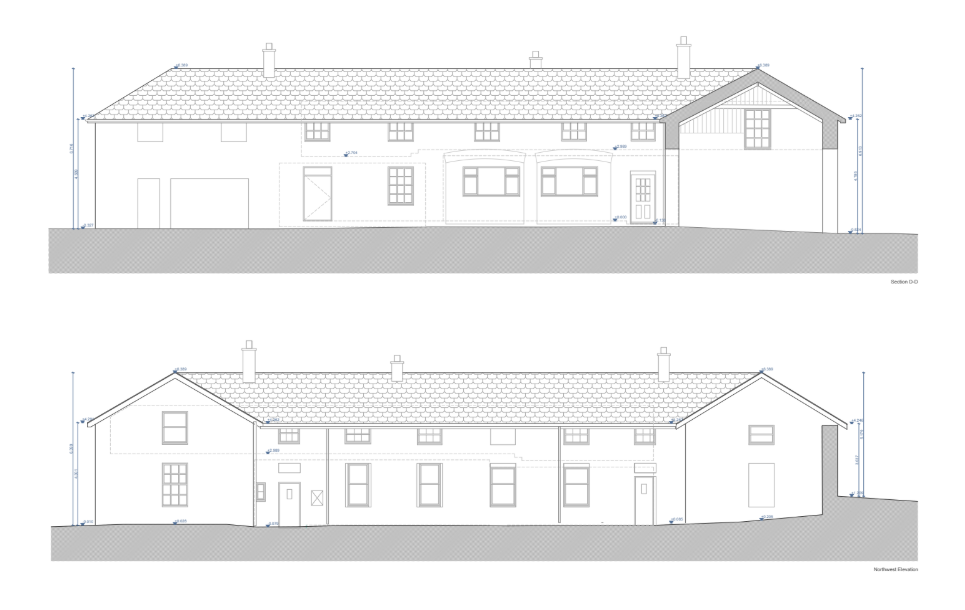
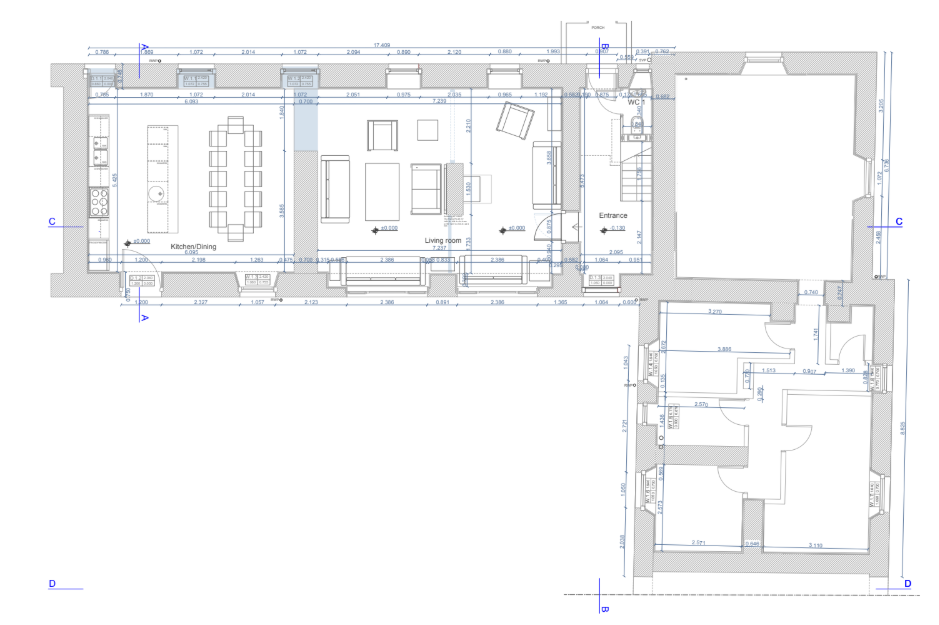
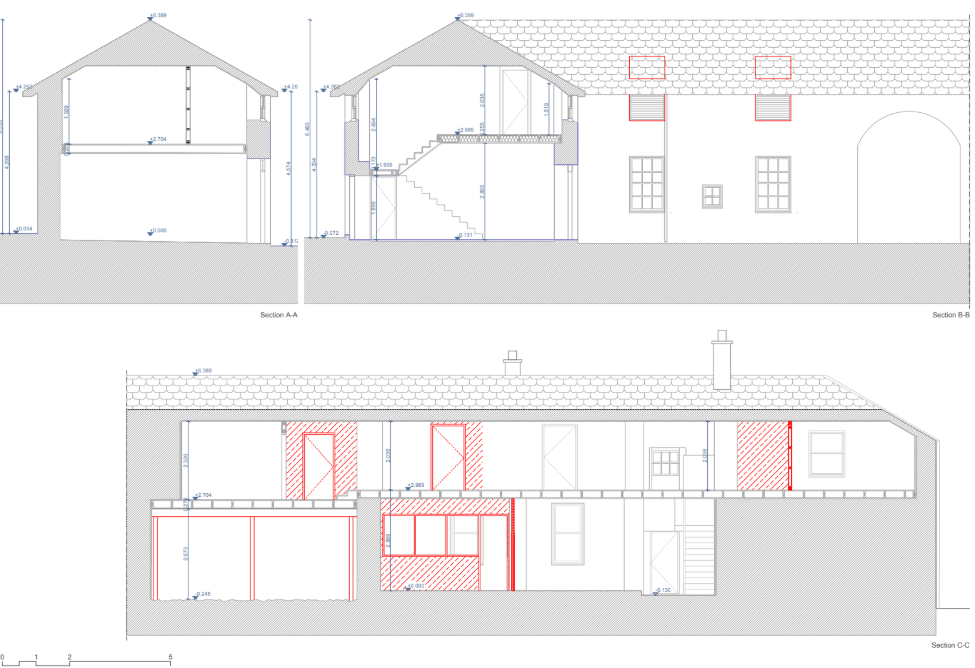
Quick Answer: Heritage renovation in Scotland typically costs between £2,500 and £4,500 per square metre depending on the level of designation, condition, and specification required. All works to listed buildings require listed building consent from the local planning authority in addition to standard planning permission. Historic Environment Scotland administers grant funding for qualifying projects through the Historic Environment Fund.
What Is a Heritage Renovation in Scotland?
Listed Buildings, Conservation Areas, and What They Mean for Your Project
In Scotland, heritage buildings fall under three categories of protection:
- Category A — Buildings of special architectural or historic interest; the most significant 8% of the listed building stock. The highest level of protection.
- Category B — Nationally important buildings of more than local interest. The majority of Scotland’s listed buildings fall here.
- Category C — Buildings of local importance, with lesser architectural or historic significance.
In addition to individual listings, properties within a conservation area — designated by the local planning authority — face restrictions on external alterations even if the building itself is not listed.
Understanding which designation applies to your property is the first step. It determines what consent you need, which materials are acceptable, and what level of detail your application must contain.
Stat: Scotland has over 47,400 listed buildings and approximately 630 conservation areas (Historic Environment Scotland, 2024).
Heritage Renovation Costs Scotland 2025
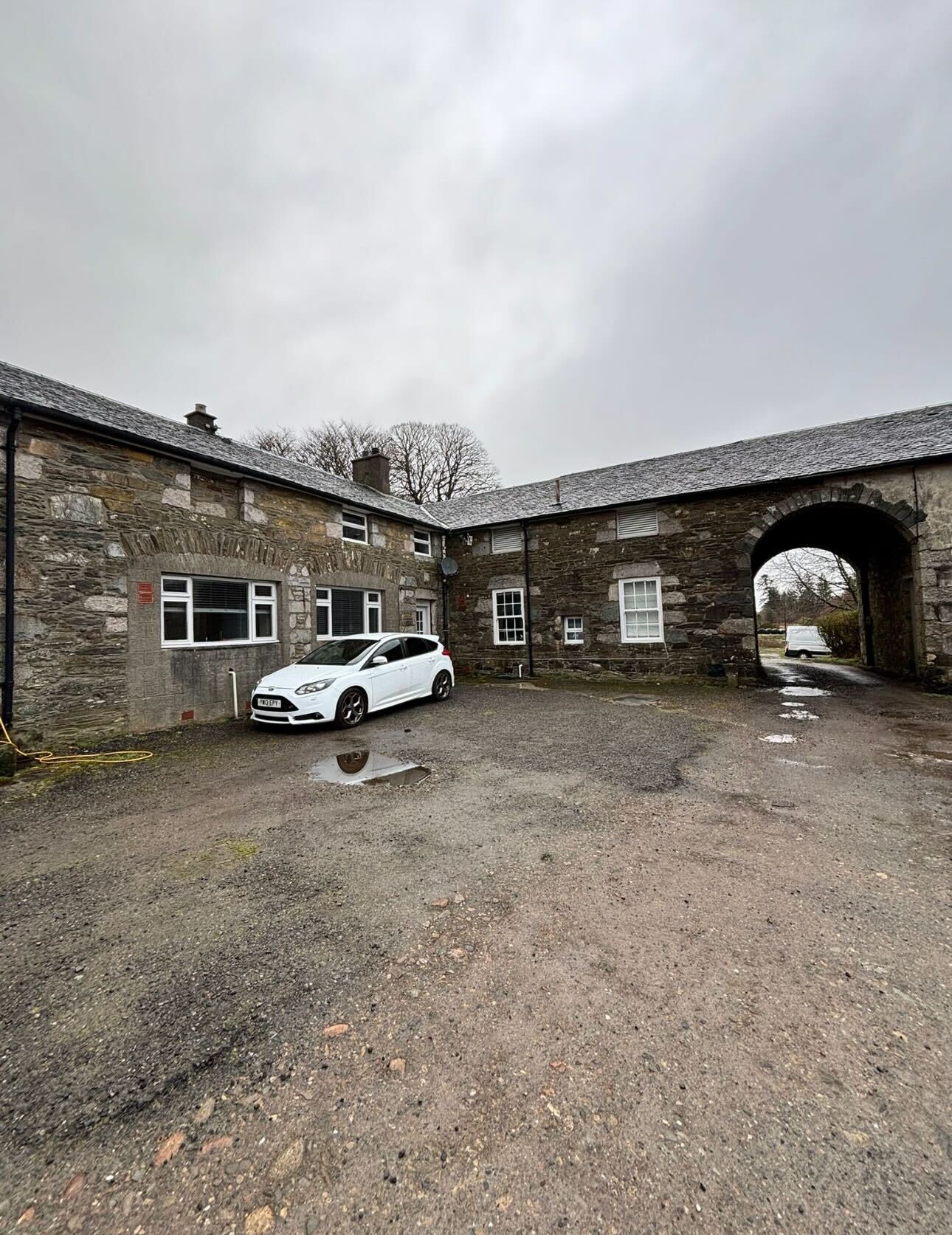
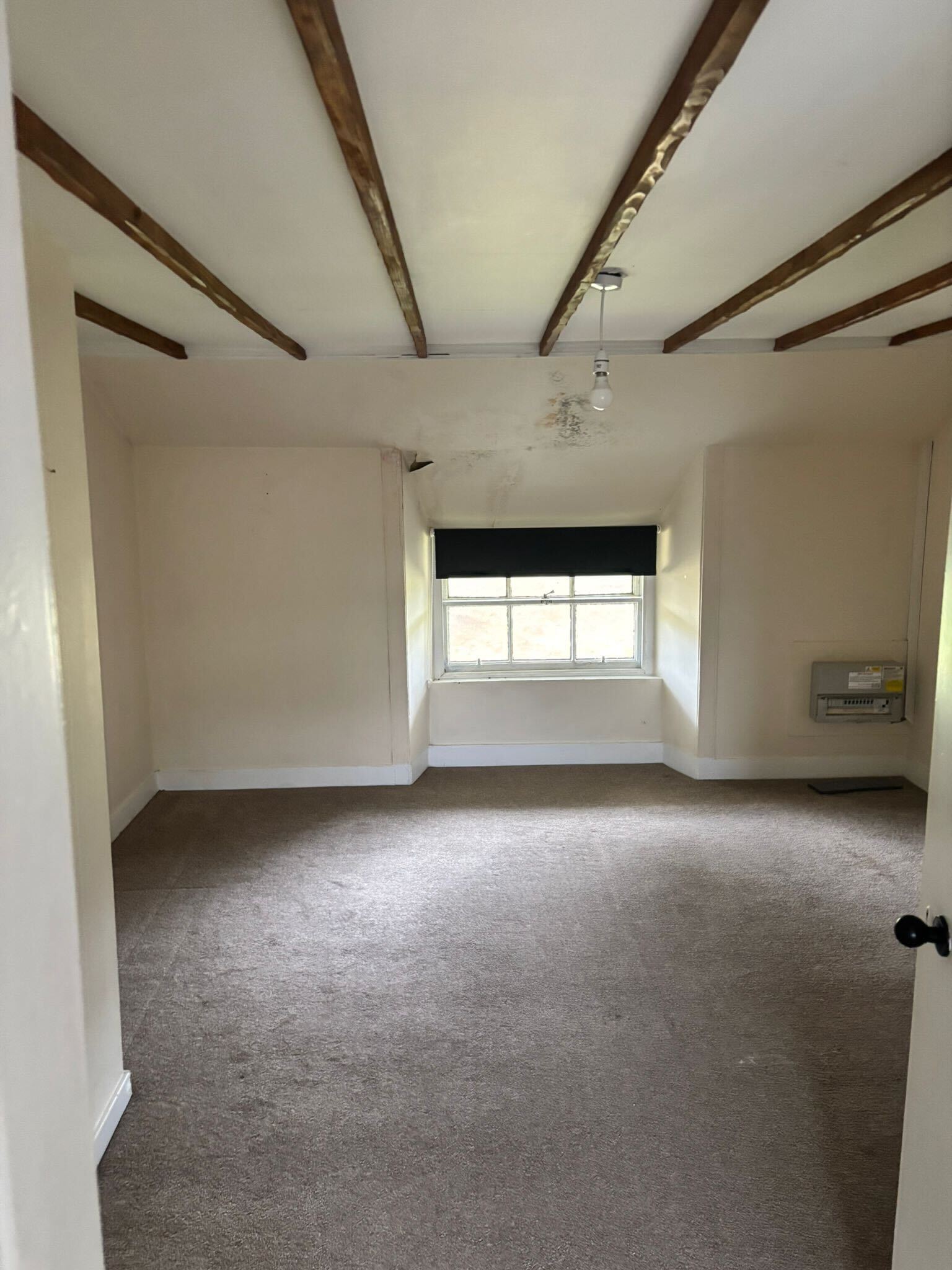
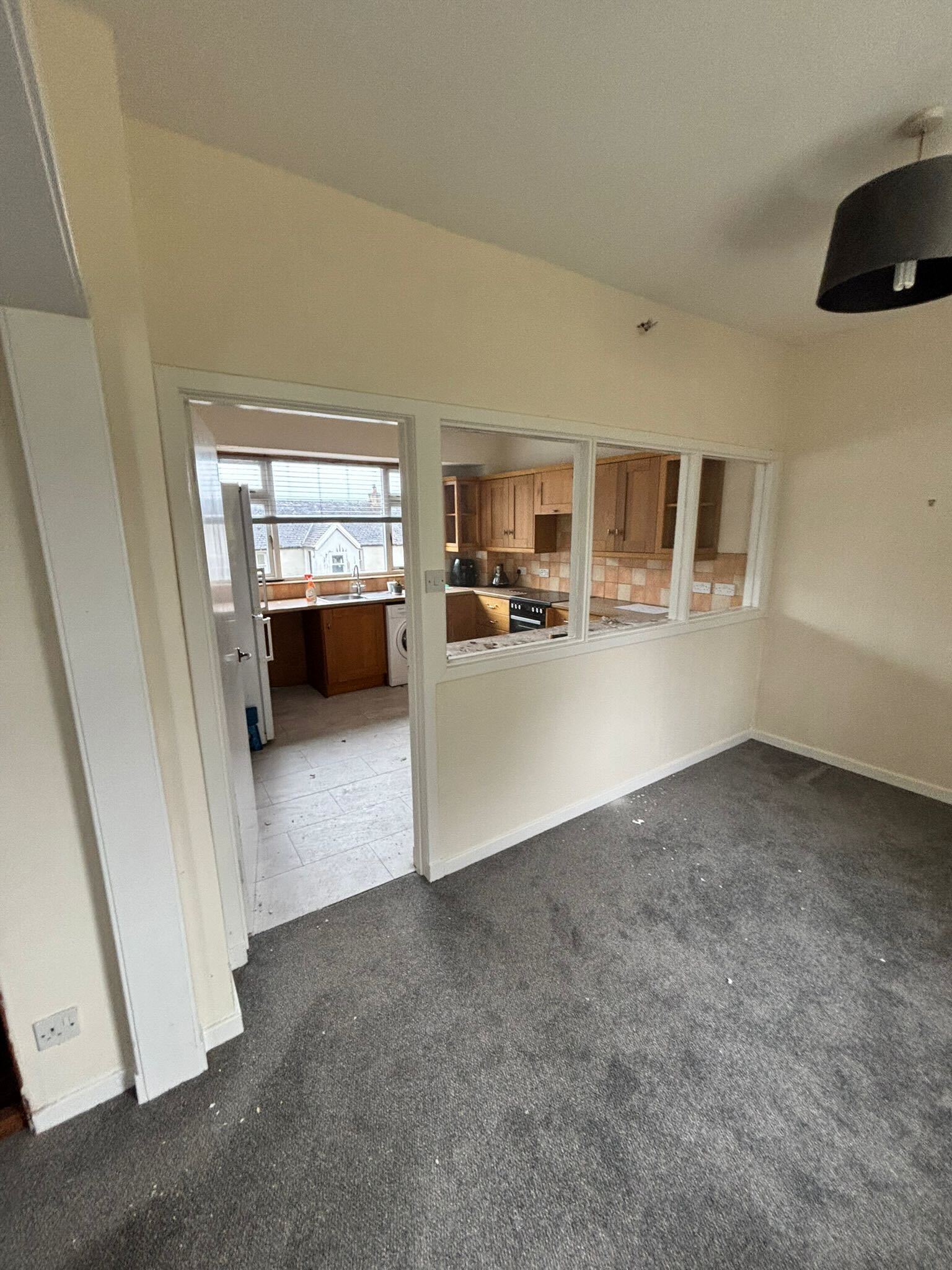
Why Traditional Buildings Cost More to Renovate
Standard residential renovation benchmarks do not apply to heritage properties. The cost premium exists for several concrete reasons:
- Specialist labour — traditional stonemasonry, lime plastering, timber sash restoration, and leadwork are scarce trades commanding premium day rates
- Bespoke materials — matching sandstone, reclaimed slate, authentic cast iron, and heritage-grade joinery cannot be sourced from a builders’ merchant
- Slower programme — lime mortars require extended curing times; stonework cannot be rushed without causing long-term damage
- Regulatory requirements — conservation officers, archaeological watching briefs, and pre-application consultation add time and professional fees before a spade hits the ground
Current indicative cost benchmarks for heritage renovation in Scotland:
| Project Type | Cost per m² |
|---|---|
| Category C / light refurbishment | £1,800 – £2,500 |
| Category B full renovation | £2,500 – £3,500 |
| Category A / significant restoration | £3,500 – £5,000+ |
| Ruinous structure / consolidation first | £4,000 – £6,000+ |
These figures cover construction only. Add professional fees of 12–18%, VAT at 20%, and any enabling or enabling demolition works on top. Projects in remote locations — particularly rural Highlands and island settings — carry additional logistics premiums of 20–35% on labour and materials.
The Hidden Costs That Catch Owners Out
Every heritage renovation carries a risk register that standard new builds simply do not. Common surprises include:
- Dry rot and wet rot discovered behind finished surfaces
- Structural movement requiring discrete steel insertion without altering the external appearance
- Asbestos in post-war additions to pre-war structures
- Archaeological finds triggering a watching brief requirement mid-construction
- Repointing requirements far greater in extent than initial visual surveys suggested
A well-structured contract with a clearly scoped provisional sum allowance for unknown conditions is essential. It protects both parties and avoids the rancorous disputes that stall projects for months.
Stat: RICS data indicates heritage renovation projects are 40–60% more likely to experience significant cost overruns than equivalent new build schemes, primarily due to unknown sub-surface and behind-cladding conditions.
[LINK TO RELATED POST: How to Manage Cost Risk on a Scottish Renovation Project]
Listed Building Consent Scotland — What the Process Involves
When You Need Consent and What Happens Without It
Listed building consent (LBC) is required for any works that would affect the character of a listed building — internally or externally. This includes works that would not require planning permission on a standard property, such as replacing windows, repointing stonework with a cement mortar, or altering internal layout.
Works carried out without LBC are a criminal offence under the Planning (Listed Buildings and Conservation Areas) (Scotland) Act 1997. Enforcement notices can require you to reinstate original fabric at your own cost — regardless of what you have spent in the meantime. Buildings insurance policies routinely exclude unauthorised works to listed structures.
The LBC process in Scotland typically involves:
- Pre-application consultation — highly recommended with the local authority conservation officer before formal submission
- Detailed application — drawings, heritage impact assessment, specifications of materials and methods
- Historic Environment Scotland consultation — mandatory for category A buildings and significant works to category B
- Decision period — 2 months standard, though complex applications routinely run longer
Engaging a conservation architect with direct experience of the relevant local authority significantly improves outcomes and reduces amendment cycles.
Stat: Listed building consent applications in Scotland take an average of 9–14 weeks to determine when Historic Environment Scotland is a statutory consultee (HES internal data).
Scottish Building Regulations and Heritage Properties
Balancing Energy Efficiency with Conservation Principles
Scottish Building Regulations apply to renovation works above certain thresholds, including requirements under Section 6 (Energy) for improved thermal performance. However, Scottish regulations recognise the fundamental conflict between energy retrofit and traditional construction — and provide important exemptions and relaxations for listed buildings and buildings in conservation areas.
Key principles:
- Breathability — traditional stone and lime construction manages moisture by allowing it to move through the wall and evaporate. Sealing it with modern impermeable insulation causes interstitial condensation, decay, and ultimately structural failure.
- Internal insulation — where acceptable to the conservation officer, internal wall insulation using breathable systems (wood fibre, hemp-lime, or similar) can improve thermal performance without altering the external appearance
- Secondary glazing — typically preferred over double glazing replacement where the existing sash or casement windows have historic significance
- Air source heat pumps — increasingly approved for heritage properties where external units can be discretely located
The local authority building standards department issues a building warrant for qualifying works. A completion certificate is required on completion — without it, you cannot sell the property.
Stat: Pre-1919 buildings account for 22% of Scotland’s housing stock but contribute disproportionately to fuel poverty due to their thermal performance (Scottish Government Housing Survey).
Traditional Materials and Methods in Scottish Heritage Renovation
Lime Mortar, Stonework, and Getting It Right
The single most common cause of accelerated decay in Scottish historic buildings is inappropriate repair. Repointing with ordinary Portland cement mortar — harder and less permeable than the original stone — traps moisture within the masonry. Over decades this causes spalling, frost damage, and structural deterioration far worse than the original deterioration the repair was meant to address.
Approved repair materials for Scottish heritage projects typically include:
- Hydraulic lime mortars (natural hydraulic lime, or NHL) matched to the original mix strength
- Lime putty for internal plasterwork and cornicing repairs
- Natural stone matched for colour, texture, and geological type — this often requires quarry sourcing from the same geological formation as the original
- Reclaimed slate matched to original riven texture and thickness
- Cast iron rainwater goods rather than uPVC replacements
Specifying these materials correctly in your tender documentation — and ensuring your contractor has verifiable experience using them — is critical. A QS with heritage project experience will include detailed material specifications in the bill of quantities, preventing substitution with cheaper inappropriate alternatives.
Stat: Incorrect repointing with cement mortar is identified as a contributing factor in 35% of structural deterioration cases assessed by Historic Environment Scotland’s technical conservation team.
Grants and Funding for Heritage Renovation in Scotland
Historic Environment Fund and Local Authority Grants
Heritage renovation in Scotland attracts more public funding than equivalent works elsewhere in the UK. Key sources:
Historic Environment Scotland — Historic Environment Fund (HEF)
Available to private owners of category A and B listed buildings for urgent repair and conservation works. Grants are competitive and typically cover 25–75% of eligible works. Applications require a full schedule of works and supporting professional report.
Local authority conservation grants
Many Scottish councils — particularly those with active conservation area regeneration initiatives — offer grant aid for sympathetic repairs to listed buildings and properties in conservation areas. Eligibility, quantum, and application processes vary by authority.
Townscape Heritage (National Lottery Heritage Fund)
Available in designated areas for commercial and residential buildings. Grants up to 75% of eligible costs in some schemes.
VAT relief on approved alterations
Works to listed buildings that constitute an approved alteration (rather than repair or maintenance) can qualify for the 5% reduced rate of VAT, rather than the standard 20%. This distinction — between repair and alteration — requires careful advance agreement with HMRC and correct documentation. Get specialist VAT advice before tendering.
Stat: Historic Environment Scotland distributed approximately £11.4 million in grants to built heritage projects across Scotland in 2022/23 (HES Annual Review).
Managing Risk on a Scottish Heritage Renovation
Procurement, Contract Strategy, and the Unknown
Heritage renovation projects require a procurement strategy that acknowledges uncertainty from the outset. Unlike a new build, you cannot know everything behind the walls, under the floors, or within the roof structure until work starts. A contract that allocates all risk to a fixed price is either priced with enormous contingency or will collapse into dispute the moment something unexpected is found.
More appropriate contract strategies for heritage work:
- Schedule of rates contract — prices agreed per unit of work, with quantities adjusted as actual conditions are revealed. Flexible but requires active cost management throughout.
- Two-stage tender — engage a preferred contractor at pre-construction stage to assist with buildability and pricing, then agree the full contract sum before works commence.
- Provisional sums — ring-fenced allowances in the contract for unknown or undefined work, instructed and valued as discovered.
Whichever route you take: a formal programme, a written contract (JCT or NEC), and a quantity surveyor managing costs throughout are non-negotiable on any project above £100,000.
Contractor Selection
Ask every tenderer for verifiable references on comparable heritage projects. Ask specifically:
- Do they have experience working under listed building consent conditions?
- Can they demonstrate competency in lime mortar application?
- Do they have a track record of working alongside conservation officers?
A contractor who says “we can turn our hand to anything” is not the right fit for a category A listed building.
Stat: RICS surveys consistently show that projects procured on a competitive fixed-price basis without a full bill of quantities are 2.5× more likely to result in formal disputes than those tendered from a complete scope document.
Why a Quantity Surveyor Is Essential on a Heritage Renovation in Scotland
Cost Planning Before You Commit
Heritage renovation costs can vary dramatically depending on what is found once work starts. A quantity surveyor provides an independent cost plan before you commit to the project — giving you a realistic budget range based on building type, designation level, scope, and location. This prevents the all-too-common situation where a planning consent is secured for a project that turns out to be economically unviable.
Tendering from a Full Bill of Quantities
A heritage bill of quantities specifies not just quantities but methods, materials, and standards of workmanship. Without this document, every contractor tenders different assumptions. You cannot meaningfully compare four quotes that each cover different scope. A QS-prepared bill ensures you are comparing like with like — and gives you leverage when negotiating the final contract sum.
Cost Management During Construction
On a heritage project, variation instructions are inevitable. Dry rot is found. Structural movement is greater than anticipated. Additional repointing is required. A QS manages each instruction formally — agreeing the valuation before work proceeds rather than retrospectively, when the contractor holds all the cards.
Monthly cost reports, independent certification of payment applications, and final account agreement are the tools that keep a heritage project on budget and out of dispute.
Stat: Projects managed with independent cost control by a quantity surveyor come in an average of 12% closer to original budget than self-managed heritage projects, according to RICS benchmarking data.
Frequently Asked Questions — Heritage Renovation Scotland
Do I need listed building consent for internal works in Scotland?
Yes. Listed building consent is required for any works — internal or external — that would affect the character of a listed building. This includes altering internal layout, removing original features such as cornicing or fireplaces, replacing doors or flooring, and even painting over historic surfaces. Works without consent are a criminal offence and can result in enforcement requiring reinstatement.
How much does heritage renovation cost per square metre in Scotland?
Heritage renovation in Scotland typically costs between £2,500 and £5,000 per square metre depending on category of listing, condition, specification, and remoteness of location. Category A buildings and ruinous structures at the upper end; category C light refurbishments at the lower. Remote rural locations carry an additional logistics premium of 20–35% on labour and materials.
Can I get a grant for renovating a listed building in Scotland?
Yes. Historic Environment Scotland administers the Historic Environment Fund, which provides grants for urgent repair and conservation works on category A and B listed buildings. Many local councils also offer conservation area grants. Works qualifying as approved alterations — rather than repair — may also benefit from a reduced 5% VAT rate rather than the standard 20%.
What materials must be used when repointing a listed building in Scotland?
Natural hydraulic lime (NHL) mortars are the standard requirement for repointing traditional Scottish masonry. The mix strength must be matched to the original mortar and the stone type. Ordinary Portland cement mortars are not acceptable — they are harder and less permeable than the stone, trapping moisture and causing accelerated deterioration and frost spalling over time.
Why do I need a quantity surveyor for a heritage renovation project?
Heritage projects contain inherent cost uncertainty that standard fixed-price contracts cannot absorb without enormous contingency. A QS provides pre-contract cost planning, prepares bills of quantities for competitive tender, manages variations as unknown conditions are discovered, certifies payment applications, and agrees the final account. On projects above £100,000, independent cost management consistently delivers better financial outcomes than self-managed procurement.
Planning a heritage renovation in Scotland and need independent cost advice? RapidQS provides specialist quantity surveying and cost planning services for listed buildings, farm steadings, historic townhouses, and conservation area projects across Scotland. Our QS reports give you the clarity to plan, procure, and build with confidence — and the cost control to see it through. Get your free cost plan today →