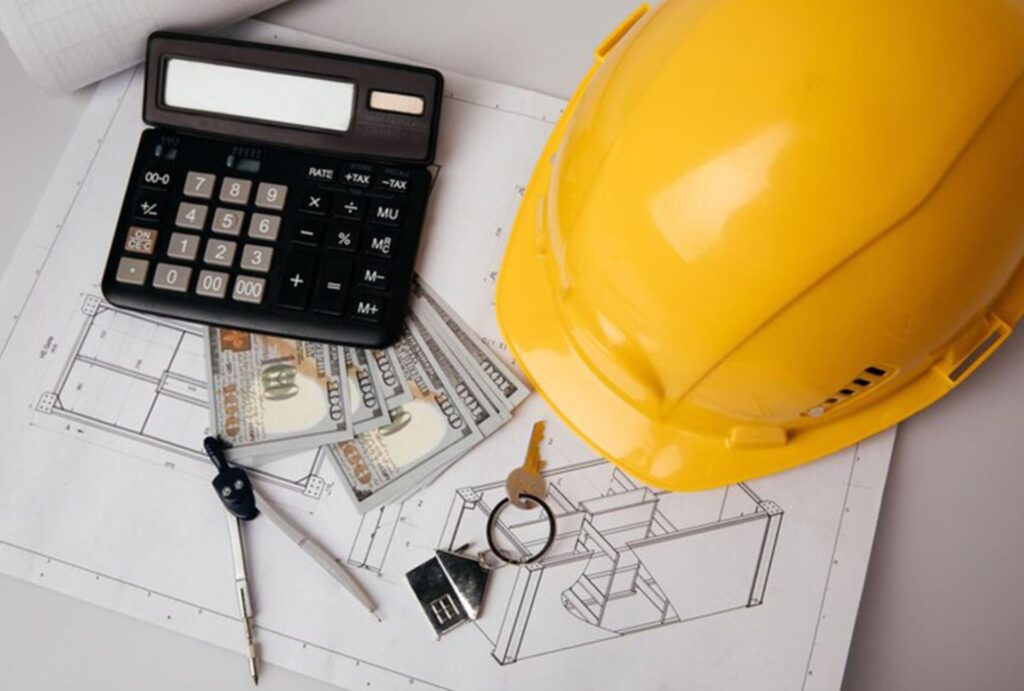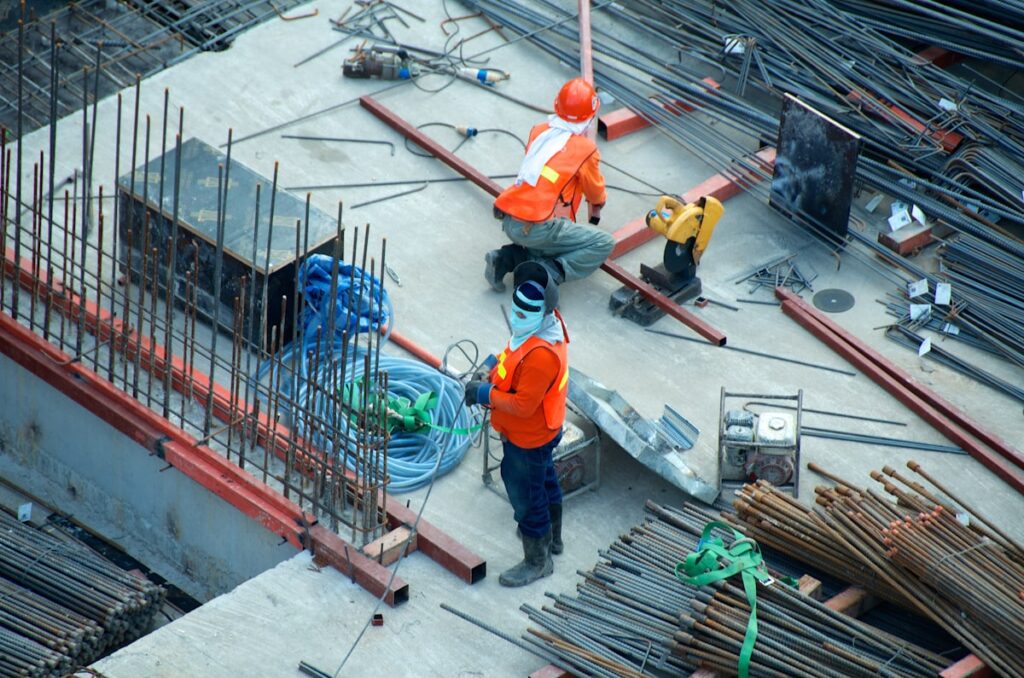

With the increasing demand for housing in the UK, more developers are looking towards building flats as a viable investment. However, understanding the cost to build flats in the UK in 2026 is essential for budgeting and feasibility analysis. In this article, we’ll break down the costs, provide practical examples, and offer insights based on real-world experience.
Understanding Base Construction Costs for Flats in 2026
Base construction costs encompass the primary expenses involved in building flats, excluding land costs. As of 2026, these costs vary widely across the UK due to factors such as location, design complexity, and the level of finish required. On average, expect base construction costs to range from £1,800 to £2,500 per square metre for standard residential flats.
- Urban Areas: In cities like London, Manchester, and Birmingham, costs can rise to between £2,500 and £3,500 per square metre due to higher labour and material costs.
- Suburban and Rural Areas: In less densely populated areas, costs may be lower, ranging from £1,600 to £2,200 per square metre.
Example Scenario: Building a Block of 20 Flats in Manchester
Consider constructing a block of 20 flats in Manchester. If each flat is approximately 70 square metres, you’re looking at a total of 1,400 square metres GIA. At an average rate of £2,200 per square metre (Midlands/North rate), the base construction cost would be around £3.08 million. Add professional fees (12%), contingency (8%), and external works — and the total development cost ex-land reaches approximately £3.7 million, or £185,000 per unit.
Full Cost Breakdown: Flat Build Costs by Number of Storeys
The number of storeys significantly affects cost per m² due to structural requirements, fire safety measures, and lift provision. Here’s how costs typically stack up:
| Scheme Type | Build Cost (per m² GIA) | Key Cost Drivers |
|---|---|---|
| 2-storey (4-8 flats) | £1,800 – £2,400 | Simple structure, no lift required |
| 3-4 storey (8-20 flats) | £2,000 – £2,800 | Lift required above 3 storeys, fire corridors |
| 5-8 storey (20-50 flats) | £2,500 – £3,500 | Structural frame, enhanced M&E, cladding |
| 9+ storey (50+ flats) | £3,000 – £5,000+ | High-rise structure, complex M&E, BSA compliance |
All rates are UK national averages ex-London. Add 20-30% for Greater London locations.
Factors Influencing the Cost of Building Flats
Several key factors can significantly affect the overall cost to build flats in the UK:
- Design Complexity: Unique architectural features and high-end finishes can increase costs significantly — up to 20-30% above standard specification.
- Building Regulations and Standards: Compliance with the Building Safety Act 2022, Part L energy efficiency requirements, and fire safety regulations adds cost, particularly on buildings over 11 metres.
- Site Conditions: Ground conditions, access issues, and existing structures on the site can impact costs. Poor ground can add £50,000-£200,000+ to foundation costs.
- Sustainability Requirements: Meeting current energy targets (SAP ratings) adds cost but is now a regulatory requirement, not optional.
Estimating Additional Costs: Beyond Base Construction
Beyond the base construction costs, developers should budget for additional expenses. These can include:
- Professional Fees: Architects, engineers, and surveyors typically charge between 10% and 15% of the total construction cost.
- Contingency: A contingency fund of 8% to 10% is advisable to cover unforeseen costs.
- Infrastructure and Utilities: Connecting to local water, electricity, and gas supply can cost between £5,000 and £15,000 per unit depending on distance from mains.
- Landscaping and External Works: Budget for parking, gardens, and communal areas at around £60 to £120 per square metre.
- NHBC or Warranty Provision: Typically 1-1.5% of build cost for a 10-year structural warranty — a requirement for mortgage purposes.
Example: Total Budget for a 30-Flat Development in the Midlands
If you’re planning a 30-flat development (each 65 m², total 1,950 m²) at £2,200/m² construction cost:
- Base construction: £4,290,000
- Preliminaries (12%): £514,800
- Professional fees (12%): £576,936
- Contingency (8%): £430,614
- External works and utilities: £180,000
- Planning, surveys, and building regs: £45,000
- Total development cost ex-land: approximately £6,037,350 (£201,245 per unit)
Financing Your Flat Construction Project
Securing the right financing is crucial for the success of your project. Options include:
- Development Loans: Typically offered at interest rates ranging from 8% to 12% per annum in 2026. These loans cover up to 70-75% of Gross Development Value (GDV).
- Private Investors / JV Partners: Investors may offer flexible terms but often require a substantial equity share (typically 30-50%).
- Government Schemes: The Affordable Homes Programme can provide grants for eligible projects that include affordable housing provision.
Frequently Asked Questions About Building Flats in the UK
What is the minimum number of flats to make a development financially viable?
Most developers find that 6-8 units is the minimum viable scale for purpose-built flat developments. Below this, the fixed costs (professional fees, planning, warranties, finance) become too high relative to the total GDV to generate a meaningful return.
Does the Building Safety Act affect my development costs?
Yes, significantly for buildings over 11 metres (or 7+ storeys). The Building Safety Act 2022 introduced enhanced design scrutiny (Gateway 2 and 3 checks), a Higher-Risk Buildings regime, and additional cladding and fire safety requirements. Budget an additional 3-8% on projects within scope.
What profit margin should I target on a flat development?
Most development appraisals target 15-20% profit on GDV (or 20-25% profit on cost). Anything below 15% on GDV is generally considered too thin to justify the risk and the 18-24 month programme.
How long does it take to build a block of flats?
A 20-30 unit block typically takes 18-26 months from planning permission to practical completion, including 12-18 months of construction. Complex or large schemes take proportionally longer.
Conclusion: Accurate Cost Estimation Is the Foundation of a Viable Scheme
Building flats in the UK involves numerous variables, each impacting your project’s cost. Accurate estimation and expert advice are essential to manage budgets effectively and ensure project success. Whether you’re appraising a site, preparing a development finance application, or checking a contractor’s tender, knowing the real numbers before you commit is the most important step you can take.
2026 UK Construction Market Outlook: What Builders Need to Know
As we navigate through 2026, the UK construction industry continues to face a unique set of challenges and opportunities. For builders, developers, and contractors, staying ahead of market trends is no longer optional — it is a critical component of maintaining profitability and securing future work. The landscape of construction costs, material availability, and labour dynamics has shifted significantly over the past few years, requiring a more agile and informed approach to project pricing and management.
The Continuing Evolution of Material Costs
One of the most pressing issues for the UK construction sector remains the volatility of material prices. While the extreme spikes seen in the early 2020s have largely stabilized, a new baseline has been established. Key materials such as structural steel, timber, and cement-based products are now trading at persistently higher levels. For instance, the cost of manufacturing energy-intensive materials like bricks and cement remains elevated due to sustained high energy prices across Europe. Consequently, builders must move away from relying on outdated price books and instead use real-time market data when estimating projects.
Furthermore, the push towards sustainable building practices has introduced new materials into the mainstream market. While products like low-carbon concrete and sustainable timber alternatives offer long-term environmental benefits, they often come with a short-term cost premium. Navigating these choices requires careful cost-benefit analysis, an area where professional quantity surveying provides immense value.
Labour Shortages and Wage Inflation
The UK construction industry continues to grapple with a structural skills shortage. An aging workforce, combined with changes in migration patterns, has left many regions struggling to find qualified tradespeople. In 2026, this scarcity directly translates into wage inflation. Skilled trades such as bricklayers, electricians, and plumbers command premium day rates, particularly in high-demand areas like London and the South East.
To combat this, forward-thinking builders are investing heavily in apprenticeships and upskilling their existing workforce. However, in the short term, the cost of securing reliable labour must be accurately reflected in every tender. Underestimating labour costs is a guaranteed path to project losses, reinforcing the need for precise, trade-by-trade cost planning before breaking ground.
The Impact of Regulatory Changes on Build Costs
Regulatory compliance is another significant driver of construction costs in 2026. The implementation of stricter environmental standards, such as the Future Homes Standard, requires enhanced insulation, advanced heating systems (like air source heat pumps), and improved airtightness in new residential builds. These requirements add both material costs and complexity to the build process.
Additionally, the Building Safety Act has introduced rigorous new protocols for higher-risk buildings, demanding extensive documentation, enhanced design scrutiny, and stricter site management. For developers, this means allocating more budget to preliminary costs, design fees, and project management. A robust Bill of Quantities (BOQ) is essential to ensure these compliance costs are fully captured and priced accurately.
Technology as a Profitability Enabler
In response to these financial pressures, technology adoption within the UK construction sector is accelerating. Digital estimation tools, Building Information Modeling (BIM), and cloud-based project management software are helping builders optimize their workflows and reduce waste. By integrating digital quantity surveying practices, contractors can extract precise material quantities, track real-time cost variations, and manage subcontractor payments with unprecedented accuracy.
For small to medium-sized builders, partnering with a digitally-enabled QS firm like RapidQS levels the playing field, allowing them to submit highly professional, data-backed tenders that rival those of larger competitors.
Strategic Procurement and Risk Management
Success in the 2026 construction market requires a strategic approach to procurement. Relying on a single supplier or failing to lock in prices for long-lead items exposes projects to unnecessary financial risk. Effective risk management involves identifying potential cost overruns early, building appropriate contingencies into the cost plan, and negotiating contracts that fairly distribute risk between the client and the contractor.
Ultimately, the builders who thrive in 2026 will be those who prioritize financial clarity. By understanding the true cost of construction, actively managing risks, and leveraging professional quantity surveying expertise, UK contractors can protect their margins and deliver successful projects in a complex market.
Get a Fixed-Price Quote in 60 Minutes
Upload your plans and RapidQS will come back to you fast — fixed price, no surprises.
Call +44 7438 628277 or upload your plans at rapidqs.co.uk