Building a new home in Ireland in 2025 is one of the biggest financial decisions most people will ever make. New build houses in Ireland are in short supply — CSO completions data consistently shows output running 15,000–20,000 units below annual demand. That gap is pushing more people toward self-build and direct-labour projects, particularly outside the major cities.
This guide covers everything before you break ground: costs per square metre, VAT, planning permission, building regulations, timber frame versus block, financing, and the risks that sink projects that started with good intentions.
Quick Answer: A new build house in Ireland in 2025 costs between €2,200 and €3,500 per square metre depending on specification and location. Most self-builds require planning permission, must comply with NZEB standards under Part L building regulations, and qualify for a minimum A2 BER rating. The Help to Buy scheme can provide up to €30,000 toward your deposit.
What Is a New Build in Ireland?
The Legal Definition Under Irish Tax Law
Under Irish Revenue rules, a new build is a property completed within the past five years that has never been occupied as a dwelling. For VAT and stamp duty purposes, this distinction matters considerably.
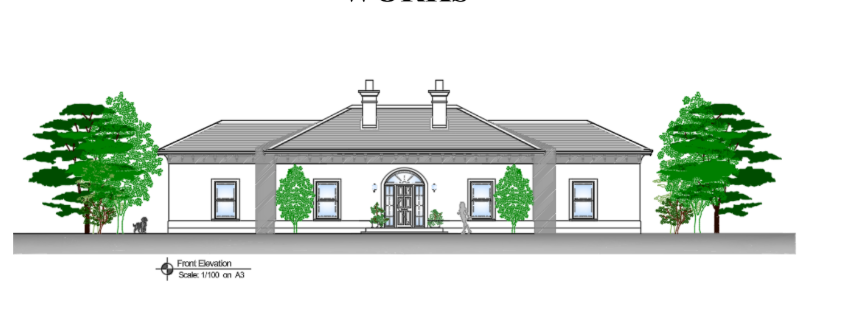
A new build includes: a house built from scratch on a greenfield or brownfield site, a barn conversion where the original structure is substantially demolished, or a wholly reconstructed property where less than 30% of the original fabric remains. Second-hand homes do not qualify as new builds for Help to Buy, stamp duty exemptions, or new build mortgage products.
Stat: Ireland completed approximately 32,700 new homes in 2023 (CSO). Annual demand is estimated at 50,000+ units.
Cost to Build a House in Ireland 2025
SCSI Benchmark Figures
The Society of Chartered Surveyors Ireland (SCSI) publishes the most widely referenced construction cost benchmarks. Indicative build costs per square metre: standard rural one-off €2,200–€2,600; mid-spec suburban €2,600–€3,000; high-spec/urban €3,000–€3,500+. These exclude site cost, professional fees (10–15%), VAT, landscaping, and external works. A 200m² home carries a build cost of €440,000–€700,000 before site and fees.
What Drives Cost Overruns
The three most common causes: unexpected ground conditions found after contract award; mid-build specification changes that compound fast; and scarce trades forcing either delays or premium day rates.
Stat: Irish construction costs rose approximately 40% between 2020 and 2024 (CSO Building and Construction Index).
VAT on New Build Houses Ireland
13.5% VAT on Developer New Builds
When purchasing a new build from a developer, VAT at 13.5% is charged and included in the sale price. Stamp duty sits at 1% on the first €1 million.
Zero-Rated Self-Builds — The Key Distinction
Private individuals building their own principal private residence can reclaim qualifying VAT through the Revenue VAT refund scheme for unregistered persons — potentially €25,000–€45,000 in savings. The home must be your principal private residence. The refund does not apply to investment properties.
Stat: A self-builder on a €500,000 construction cost could recover approximately €38,000 in VAT under the refund scheme.
Planning Permission Ireland and Part L Regulations
What Planning Permission Covers
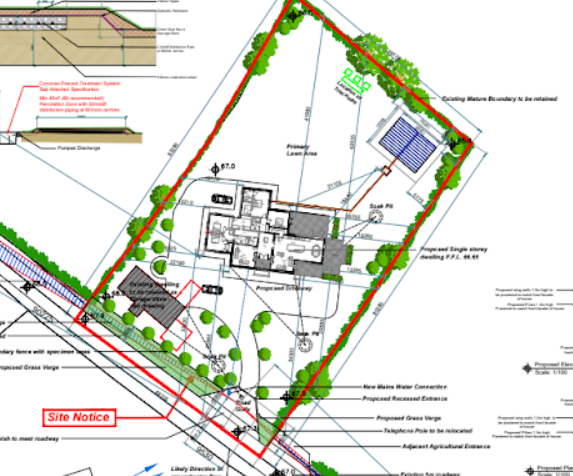
Planning permission is granted by the relevant local authority. Most new build houses require full planning permission. Standard decision period: 8 weeks from valid application. An Bord Pleanála appeal: typically 18 weeks. Pre-planning consultation is strongly recommended before submitting drawings.
Part L, NZEB, and BER Requirements
Since November 2019, all new builds must comply with Nearly Zero Energy Building (NZEB) standards under Part L of the Building Regulations — primary energy use of ≤50 kWh/m²/year and a minimum A2 BER rating at completion. An A-rated home uses roughly 70% less energy than pre-2000 stock.
Stat: New builds have a median BER of A2; pre-2000 homes average D1 (SEAI).
Timber Frame vs Block Build Ireland
The Case for Timber Frame
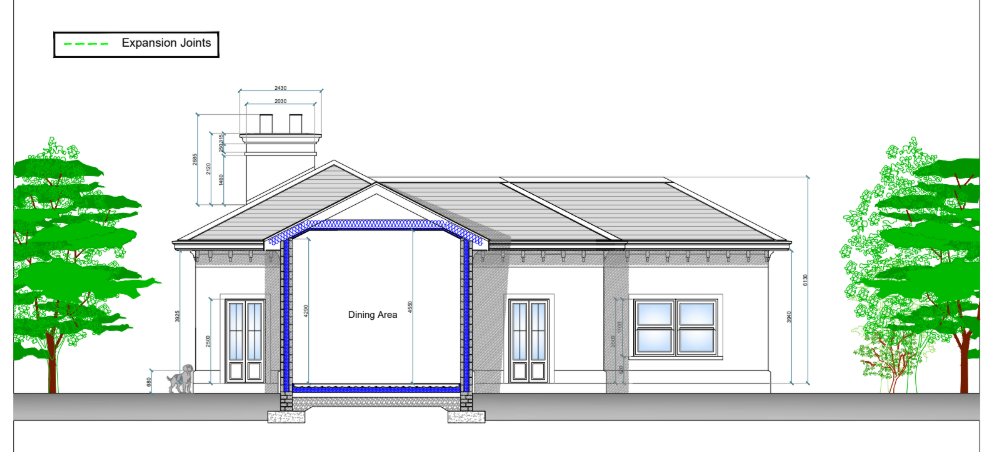
Timber frame accounts for roughly 30% of new one-off homes in Ireland. Shell typically erected in 4–6 weeks. Easier to achieve NZEB airtightness targets with a well-specified panel system. Costs broadly comparable to block at base specification.
The Case for Block Build
Traditional cavity wall construction remains dominant in rural Ireland. Greater thermal mass, wider contractor pool, strong resale perception. Both systems achieve NZEB compliance when correctly specified — the decision usually comes down to contractor availability locally.
Turnkey New Build vs Direct Labour
Turnkey means a single contractor delivers the finished home under one contract — more certainty on price and programme. Direct labour means appointing individual sub-contractors — potentially cheaper but demanding to manage. Most first-time self-builders underestimate what direct labour management involves.
Stat: Turnkey new builds typically cost 8–12% more than equivalent direct labour projects (SCSI guidance).
Financing a New Build in Ireland in 2025
Help to Buy Scheme Ireland
The Help to Buy scheme refunds income tax and DIRT paid over the previous four years, up to €30,000, toward the deposit on a qualifying new build or self-build. Property value must not exceed €500,000. Must be your first home and principal private residence.
Mortgage Rules and Stage Payments
New build mortgages operate on a stage payment structure — funds released in tranches as construction reaches defined milestones. Most lenders require a quantity surveyor’s valuation certificate before authorising each drawdown. Central Bank rules allow first-time buyers to borrow up to 4× income.
Stat: The average new build mortgage drawdown in Ireland in 2024 was approximately €320,000 (Banking and Payments Federation Ireland).
Risks on Irish New Builds and How to Manage Them
Delays, Cost Overruns, and HomeBond
A realistic programme from planning grant to occupation is 18–24 months. Fixed-price contracts offer the best protection — but only when tendered from a full set of drawings and a bill of quantities. All new builds should carry the HomeBond structural warranty providing 10-year structural defect cover. At completion, commission a professional snag list — a thorough survey typically identifies 50–150 items.
Stat: HomeBond registered approximately 16,000 new homes in Ireland in 2023.
Why a Quantity Surveyor Is Essential on an Irish New Build
Cost Planning, Tendering, and Stage Payment Certification
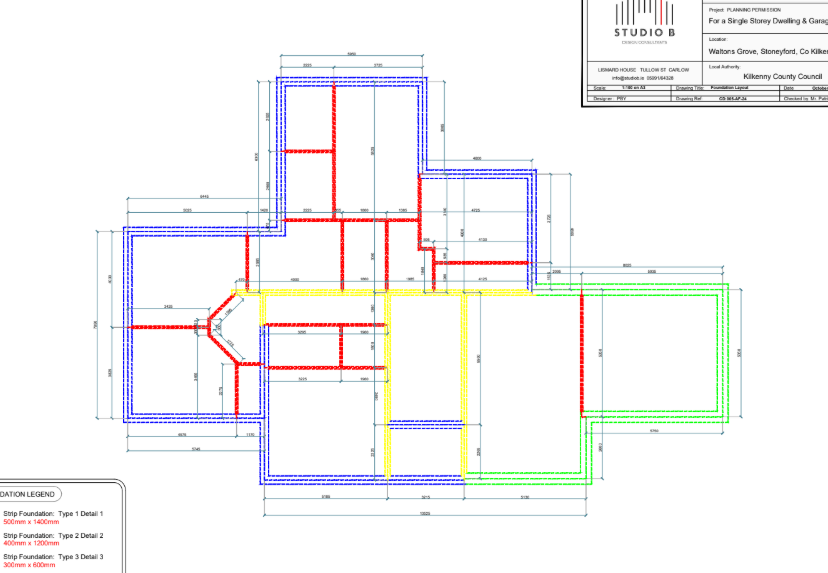
A quantity surveyor provides an independent cost plan at design stage — confirming whether your project is financially viable before you commit. A QS prepares a bill of quantities so all tenderers price exactly the same scope. During construction, your QS certifies the value of work completed at each stage, manages variations, and maintains a running cost report against budget. Most new build lenders in Ireland require QS certification at every drawdown.
Stat: SCSI data consistently shows projects with professional cost management come in closer to budget than self-managed builds.
Frequently Asked Questions — New Build Houses Ireland
What is the average cost to build a house in Ireland in 2025?
Based on SCSI benchmark data, a standard new build in Ireland costs between €2,200 and €3,500 per square metre. A 200m² home ranges from €440,000 to €700,000 in construction costs, before site purchase, professional fees, and VAT. Urban and high-spec projects regularly exceed the upper end of this range.
Do I pay VAT on a self-build in Ireland?
VAT at 13.5% applies to construction services and materials on all new builds. However, private individuals building their principal private residence can reclaim qualifying VAT through Revenue’s refund scheme for unregistered persons. This refund does not apply to investment properties or homes built for immediate sale.
What BER rating does a new build in Ireland need?
All new builds must achieve a minimum A2 BER rating under Part L building regulations and NZEB standards in force since November 2019. A BER certificate must be issued by a registered SEAI assessor before the property can be sold or let.
Can I use Help to Buy if I am building my own home?
Yes. The Help to Buy scheme applies to self-builds as well as developer new builds, provided the home is your principal private residence and does not exceed €500,000 in value. You can claim up to €30,000 as a refund of income tax and DIRT paid in the previous four tax years.
Do I need a quantity surveyor for a new build in Ireland?
Not legally required, but strongly recommended. A QS provides independent cost planning, prepares bills of quantities for tender, certifies stage payments for your mortgage lender, and controls costs on site. Most new build mortgage lenders in Ireland require QS certification at each drawdown stage — making it a practical necessity.
Planning a new build in Ireland and want to know if the numbers stack up? RapidQS provides independent quantity surveying and cost planning services for self-builds, one-off homes, and developer schemes across Ireland. Our cost plans give you the clarity to commit — or walk away before it costs you. Get your free cost plan today.