“`html
When it comes to construction projects in the UK, understanding the costs associated with groundworks is crucial. Groundworks form the foundation of any building project, literally and figuratively, as they involve everything from site clearance to laying down the structural base. This comprehensive guide will help you navigate the various facets of groundworks costs in the UK as of 2026, ensuring you have the budgetary information needed for successful project planning.
Understanding the Basics of Groundworks
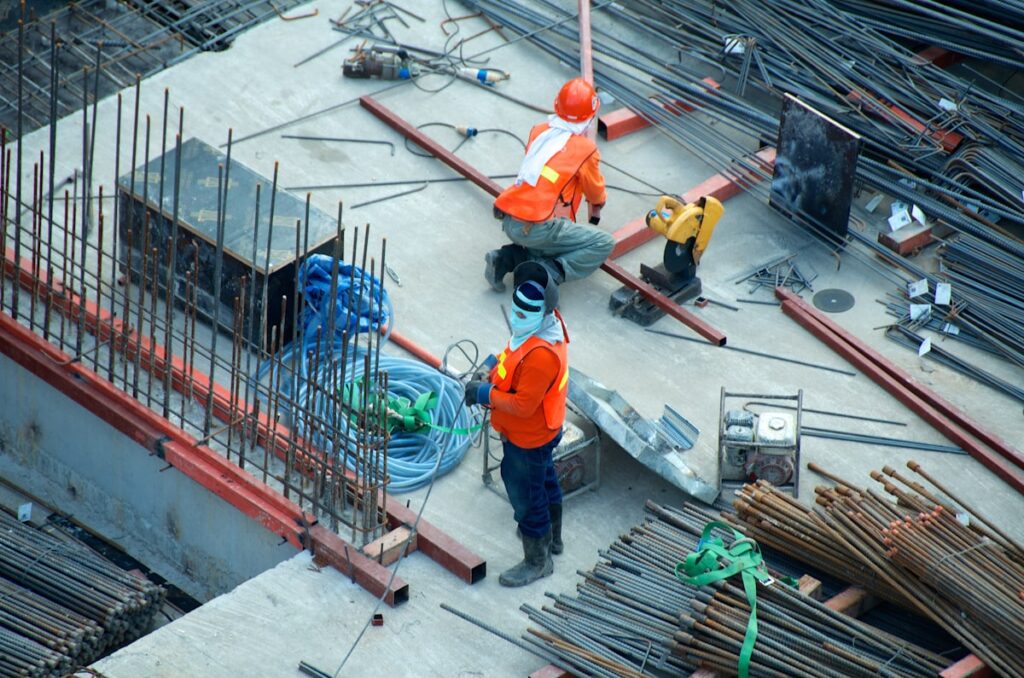
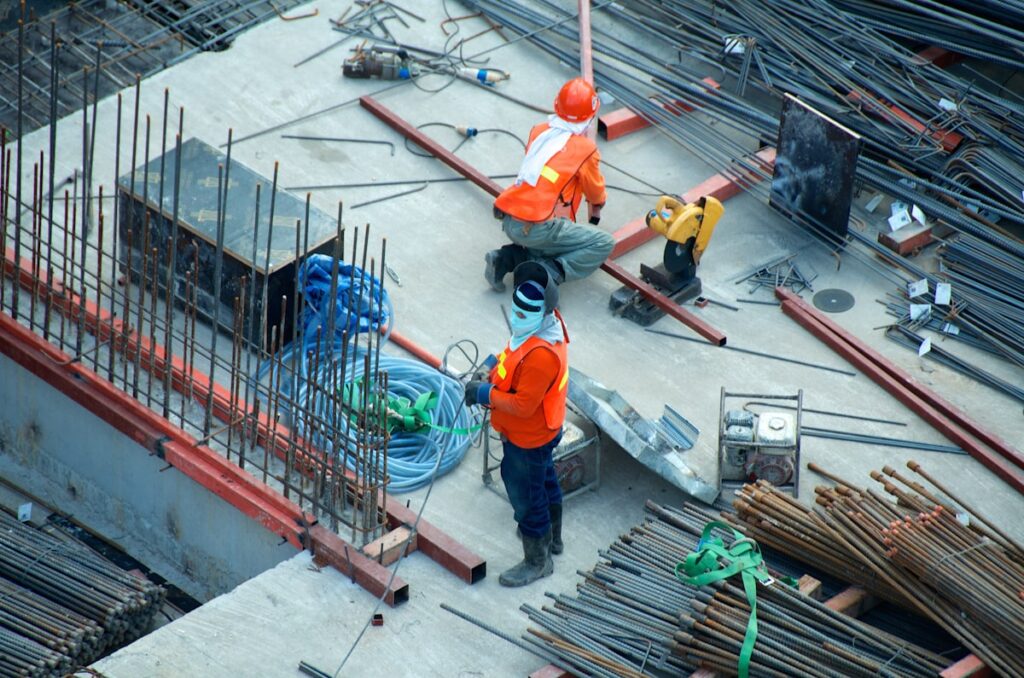
Before delving into the cost specifics, it’s essential to understand what groundworks entail. Groundworks refer to the preparation of the sub-surface for a construction project. This phase includes site clearance, excavation, foundation laying, drainage installation, and utilities setup. Each component requires skilled labour and specialized equipment, affecting the overall cost.
Components of Groundworks
- Site Clearance: Removing vegetation, debris, and existing structures.
- Excavation: Digging trenches for foundations and utilities.
- Foundations: Laying the structural base, including footings and slabs.
- Drainage: Installing systems to manage water flow and prevent flooding.
- Utilities Setup: Laying pipes and cables for water, gas, and electricity.
Average Groundworks Costs in the UK for 2026
Groundworks costs can vary significantly based on location, site conditions, and project complexity. However, having a grasp of the average costs can aid in budgeting more effectively.
| Service | Estimated Cost Range (per m²) |
|---|---|
| Site Clearance | £3 – £5 |
| Excavation | £10 – £25 |
| Foundation Laying | £60 – £120 |
| Drainage Installation | £30 – £50 |
| Utilities Setup | £15 – £35 |
Factors Influencing Groundworks Costs
Several factors can influence the cost of groundworks. Understanding these can help you manage your budget effectively and anticipate potential cost overruns.
Site Conditions
The natural condition of your site can significantly impact costs. For instance, rocky terrain or contaminated soil may require additional work, increasing excavation costs. Conversely, a flat, stable site can reduce preparation time and expense.
Project Size and Complexity
Large-scale projects naturally incur higher costs due to the increased materials and time required. Complex designs may also necessitate specialized equipment and skilled labour, further driving up expenses.
Location
Where your project is located in the UK can affect costs. Urban areas often have higher labour and material costs compared to rural locations. Additionally, accessibility issues in remote areas can add logistical expenses.
Real-World Example: Cost Breakdown for a Residential Site
Consider a typical residential project in Manchester requiring comprehensive groundworks. The site spans 100m² and includes complex drainage due to a high water table.
Cost Breakdown
- Site Clearance: £400
- Excavation: £2,000
- Foundation Laying: £7,500
- Drainage Installation: £4,000
- Utilities Setup: £2,500
Total estimated cost: £16,400
How to Save on Groundworks Costs
While groundworks are essential and can be costly, there are strategies to manage and potentially reduce expenses.
Engage Early with Experts
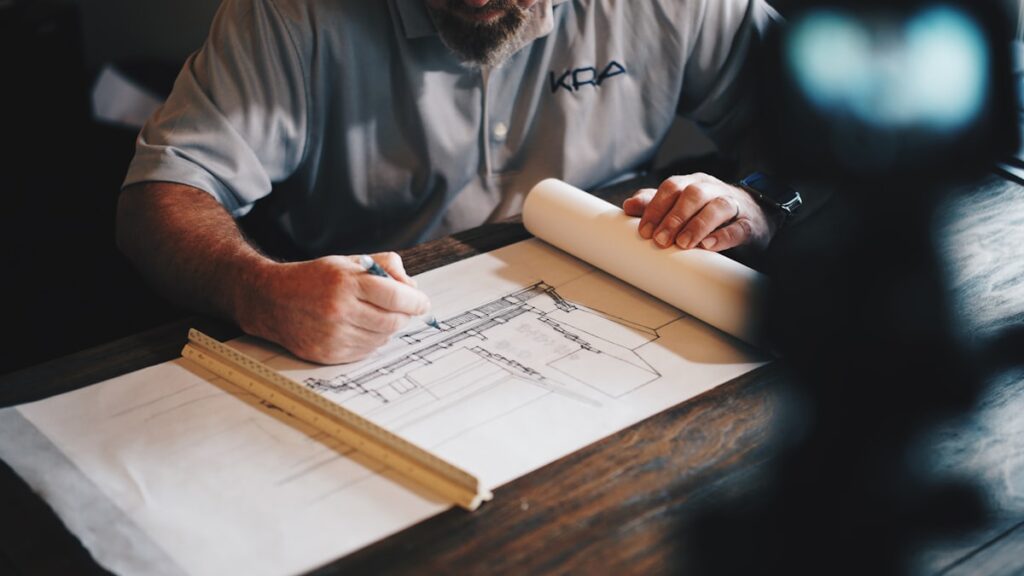
Involving a quantity surveyor early in the project can identify cost-saving opportunities and help avoid expensive mistakes. RapidQS offers fast and accurate cost assessments that can be invaluable during planning stages.
Plan for Contingencies
Unexpected issues such as adverse weather or unforeseen site conditions can increase costs. Allocating a contingency budget of 10-15% can help manage these risks without derailing your project.
Conclusion: Efficiently Managing Groundworks Costs
Groundworks are a critical component of any construction project, and understanding their costs is essential for project success. By considering the factors outlined in this guide, you’ll be better prepared to budget and manage your resources effectively. For fast, accurate, and UK-focused quantity surveying services, contact RapidQS. Visit rapidqs.co.uk, call +44 7438 628277, or email david@rapidqs.com to get expert advice tailored to your project’s needs.
“`