
“`html
In the complex landscape of UK residential development, understanding build cost feasibility is crucial. It ensures developers make informed decisions, avoiding costly overruns and maximising project potential. This article delves into the essential components of build cost feasibility modelling, providing actionable insights and realistic cost figures applicable to the UK market in 2026.
Understanding Build Cost Feasibility Modelling in UK Residential Projects
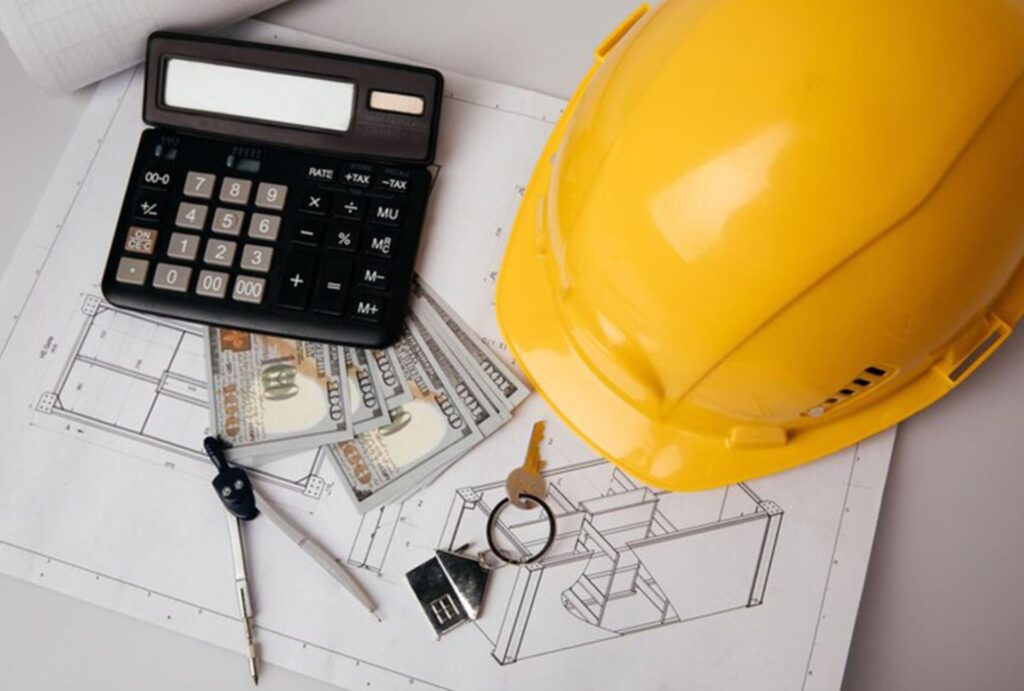
Build cost feasibility modelling is a critical process that evaluates whether a proposed residential development is financially viable. It involves scrutinising various cost components, including land acquisition, construction costs, professional fees, and contingency allowances. For developers, particularly those new to the UK market, understanding these components can make the difference between a profitable project and a financial pitfall.
In 2026, the average build cost per square metre for residential developments in the UK ranges from £1,750 to £2,500, depending on the location, specification, and scale of the project. These figures highlight the importance of precise cost planning and control throughout the project’s lifecycle.
Key Components of Build Cost Feasibility Modelling
Successful feasibility modelling encompasses several key components, each requiring careful analysis:
- Land Costs: Acquiring land can represent a significant percentage of total development costs. In prime locations such as London, land costs can exceed £3,000 per square metre.
- Construction Costs: As of 2026, typical new build costs for residential units vary from £1,750 to £2,500 per square metre. Factors influencing these costs include construction type, quality of finishes, and local labour rates.
- Professional Fees: Typically, professional fees account for about 10–15% of construction costs, covering architects, surveyors, engineers, and project managers.
- Contingency Allowances: A contingency of 5–10% of total construction costs is advisable to cover unforeseen expenses.
Evaluating Site Conditions and Their Impact on Costs
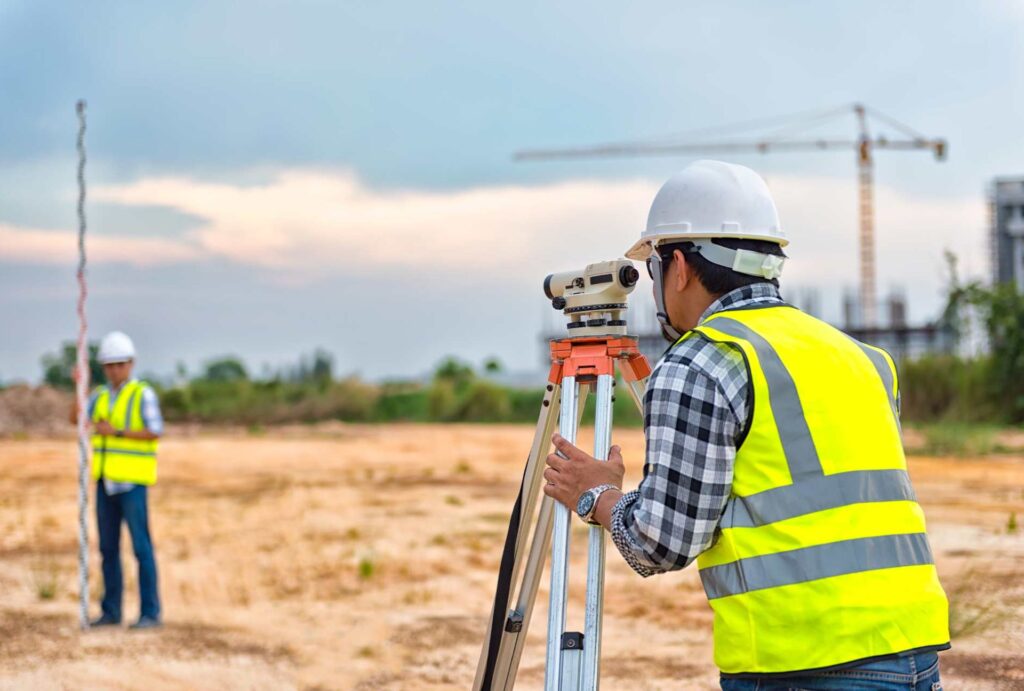
Site conditions significantly impact build costs. Developers must conduct thorough site investigations to assess ground conditions, access, and environmental constraints. Unexpected ground conditions can lead to increased foundation costs, particularly in areas with poor soil quality or high water tables.
For example, a project in Manchester faced a £300,000 increase in foundation costs due to unforeseen ground conditions. Early site investigations could have mitigated this risk, highlighting the importance of detailed feasibility studies.
Using Technology in Cost Modelling: BIM and Digital Tools
Building Information Modelling (BIM) and other digital tools are revolutionising cost feasibility modelling. By creating detailed 3D models, developers can simulate various design scenarios, enabling more accurate cost predictions.
BIM facilitates clash detection, reducing costly design errors. For instance, a residential development in Birmingham utilised BIM to achieve a 15% reduction in unexpected expenses, demonstrating the power of technology in cost management.
Market Trends and Their Influence on Build Costs
Understanding market trends is vital for accurate cost forecasting. Factors such as Brexit, inflation, and supply chain disruptions have influenced material and labour costs in recent years. For 2026, material costs are projected to rise by 5% annually, driven by demand and global economic conditions.
Labour shortages in the construction sector further exacerbate these challenges, pushing up wages and extending project timelines. Developers must factor these trends into their feasibility models to avoid underestimating build costs.
Real-World Scenario: Feasibility Modelling for a Mid-Scale Residential Project
Consider a mid-scale residential project in Bristol aiming to develop 50 units. The project’s estimated total build cost is £10 million, broken down as follows:
| Cost Component | Estimated Cost (£) |
|---|---|
| Land Acquisition | £3,000,000 |
| Construction Costs | £5,000,000 |
| Professional Fees | £1,000,000 |
| Contingency | £500,000 |
| Miscellaneous | £500,000 |
By applying comprehensive feasibility modelling, the developer mitigates risks and enhances the project’s financial viability, ensuring a successful outcome.
Conclusion: Partner with RapidQS for Accurate Feasibility Modelling
Build cost feasibility modelling is an indispensable tool for UK residential developers, providing the clarity needed to navigate complex projects. Accurate modelling ensures developers understand potential costs and risks, enabling them to make informed decisions and achieve financial success.
At RapidQS, we offer fast, reliable, and precise quantity surveying services tailored to your needs. With a 48-hour turnaround and extensive construction experience, we are your trusted partner in the UK market. Contact us today at david@rapidqs.com or call +44 7438 628277 to discuss your project requirements. Visit rapidqs.co.uk for more information.
“`